




Why does my new recreational vehicle, travel trailer or fifth wheel already have extreme rust on its frame?
The “New RV” Rust Mystery: Why Your Shiny Trailer Already Has Frame Corrosion
Buying a new travel trailer or fifth wheel is a major milestone, but many owners are shocked when they crawl underneath and find the steel frame covered in “extreme” rust. How can a brand-new unit look like it’s been on the road for a decade? The answer lies in a perfect storm of chemistry, geography, and logistics.
The Science: Why Steel Corrodes
As we’ve discussed, rusting is an electrochemical process. Moisture acts as an electrolyte, allowing iron to react with oxygen. When you add salt into the mix, it acts like a chemical supercharger. Salt increases the water’s electrical conductivity, speeding up the flow of electrons and accelerating the decay of the metal.
Furthermore, salt is hygroscopic, meaning it traps moisture against the steel and can even penetrate small imperfections or chips in the frame’s paint or undercoating. Once that barrier is breached, the corrosion process becomes nearly impossible to stop without intervention.
The “Indiana Factor”: Timing is Everything
Most RVs in North America are manufactured in Northern states, particularly Indiana. To meet the high demand of the spring selling season, manufacturers build these units throughout the winter months.
This creates a high-risk scenario for new frames:
- Winter Transport: Once finished, these units are towed from the factory to dealerships across the country. In the winter, they travel over thousands of miles of roads heavily treated with liquid brine and rock salt.
- The Dealer Lot: After arriving, a unit may sit on a dealer’s lot for months—or even a year. If the dealer does not thoroughly rinse the undercarriage, that road salt remains trapped against the steel, eating away at the frame while the trailer sits stationary.
- Paint Imperfections: No factory coating is perfect. Small rocks kicked up during transport can chip the paint, providing the perfect entry point for salt-laden water to begin the oxidation process.
Proactive Steps for the Smart Buyer
You don’t have to accept a corroded frame as “just the way it is.” Here is how you can protect your investment:
- Check the Data Plate: Every RV has a manufacturing plate. Check the date; if it was manufactured between November and March, it likely faced a salty delivery journey.
- The Pre-Purchase Inspection: Before signing the final paperwork, get on the ground with a flashlight. Inspect the frame for “scaling” or heavy orange oxidation.
- Demand a “Salt Rinse”: Request that the dealer perform a high-pressure undercarriage wash as a condition of the sale. If the rust is already present, ask them to treat and touch up the affected areas.
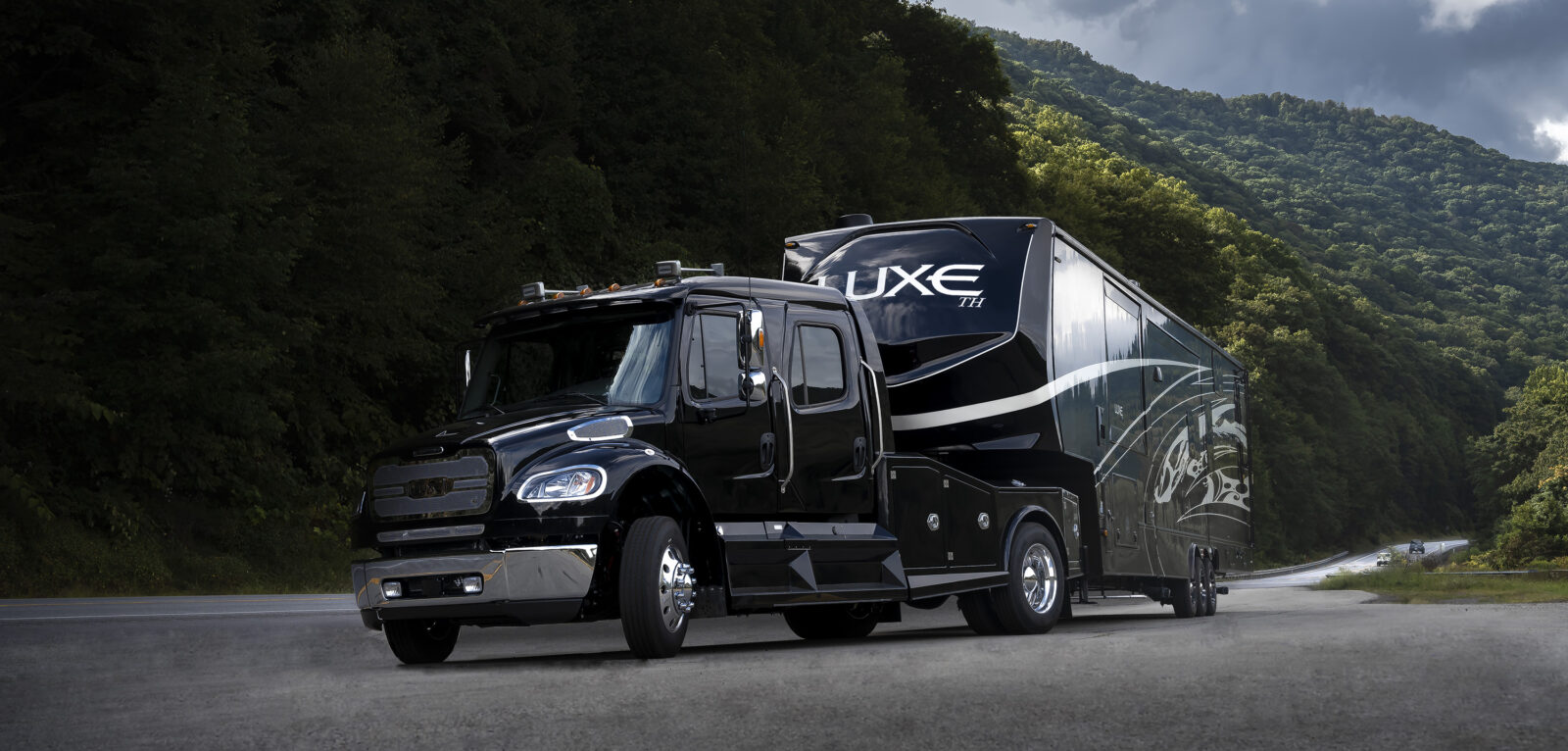
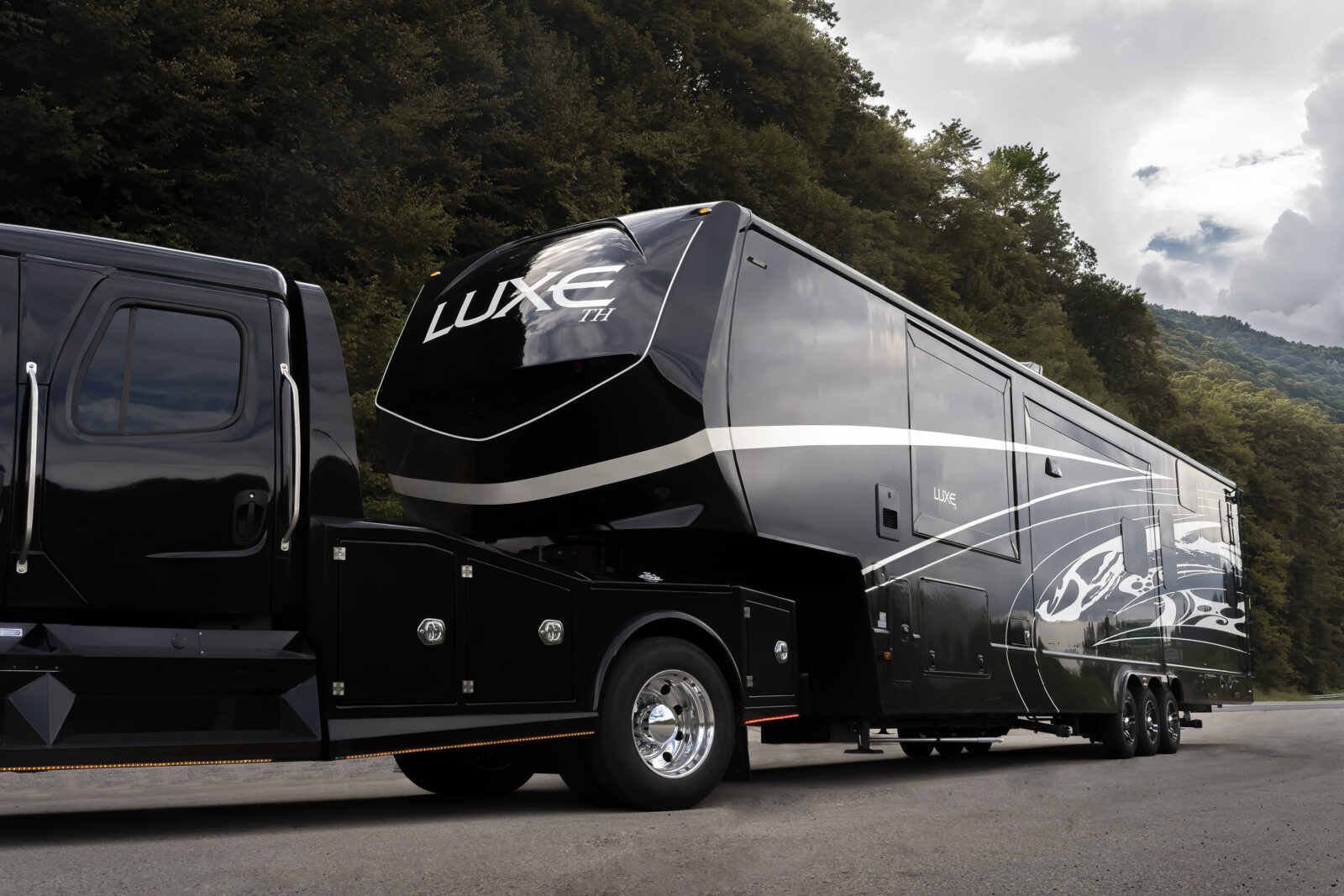
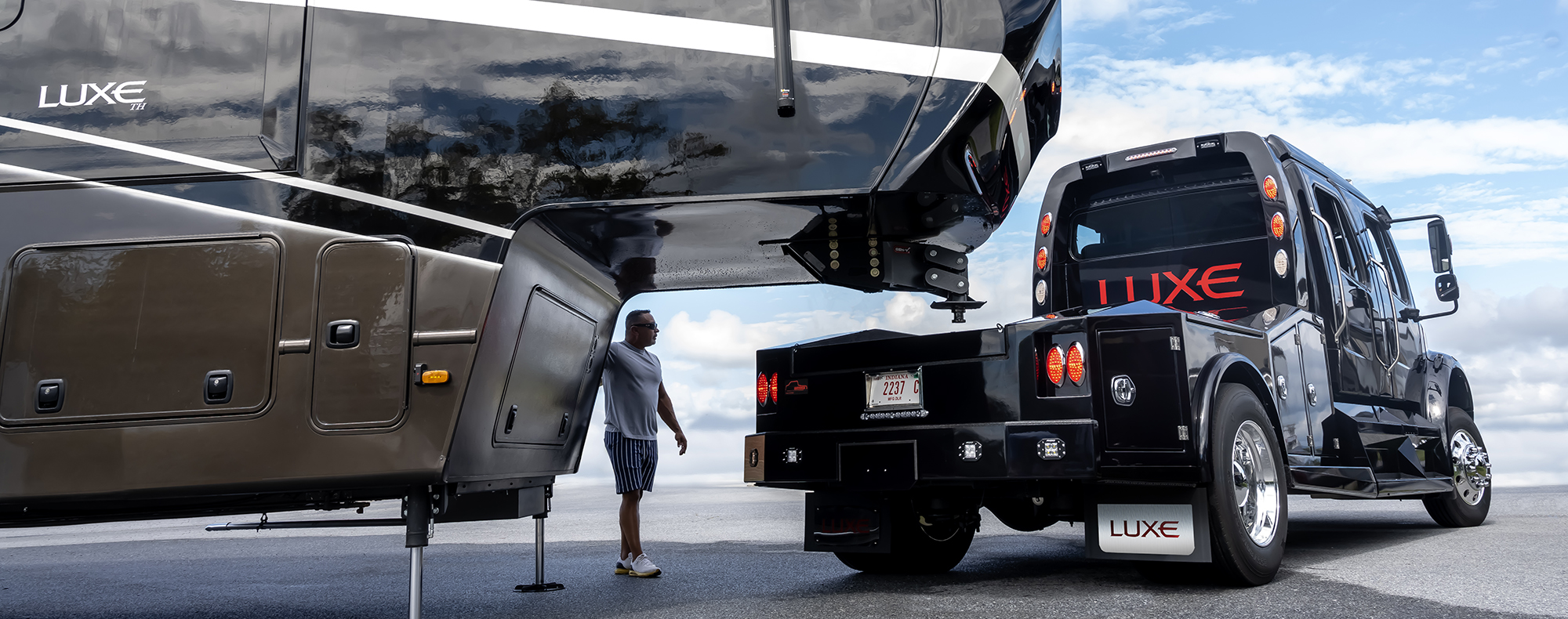
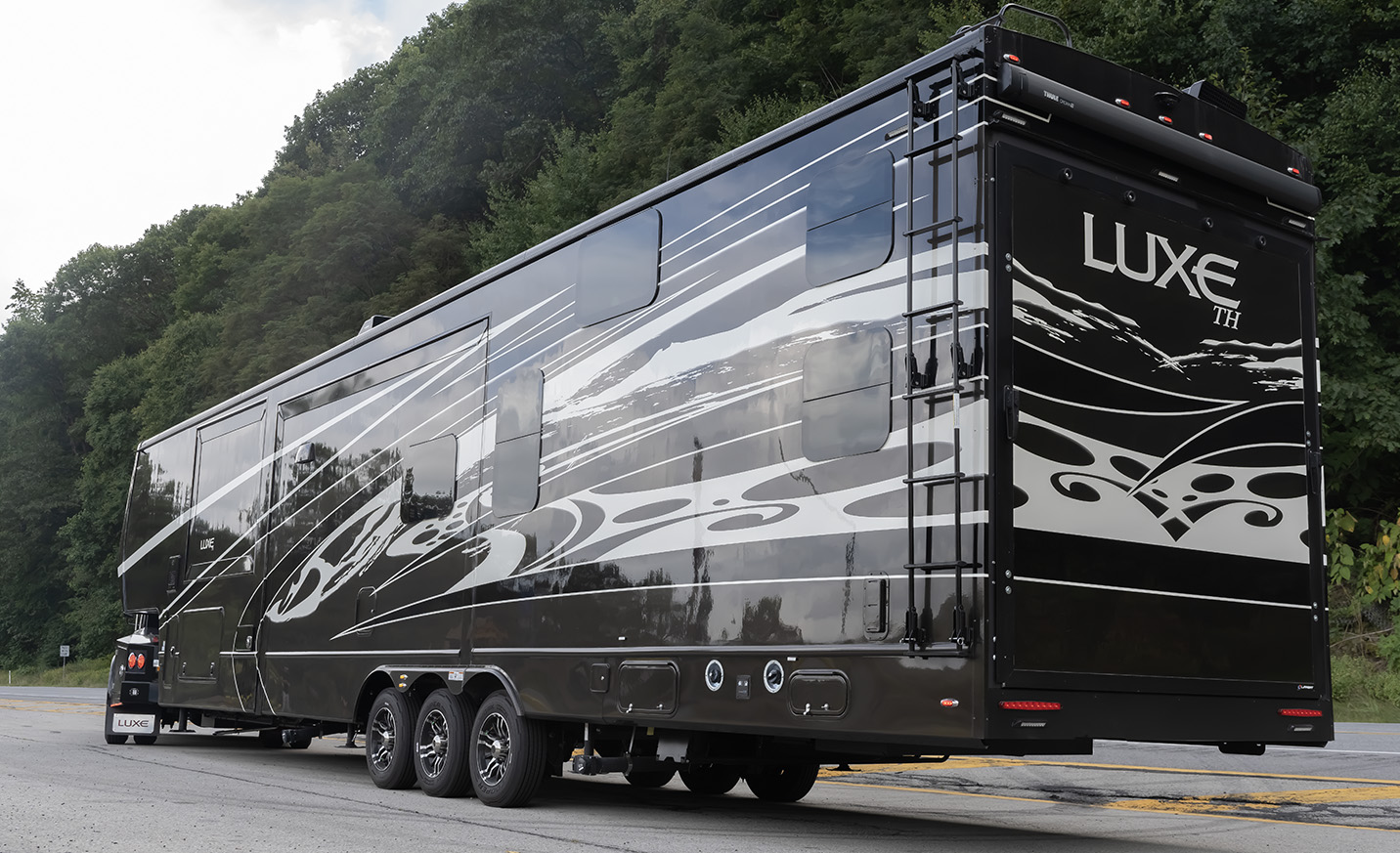
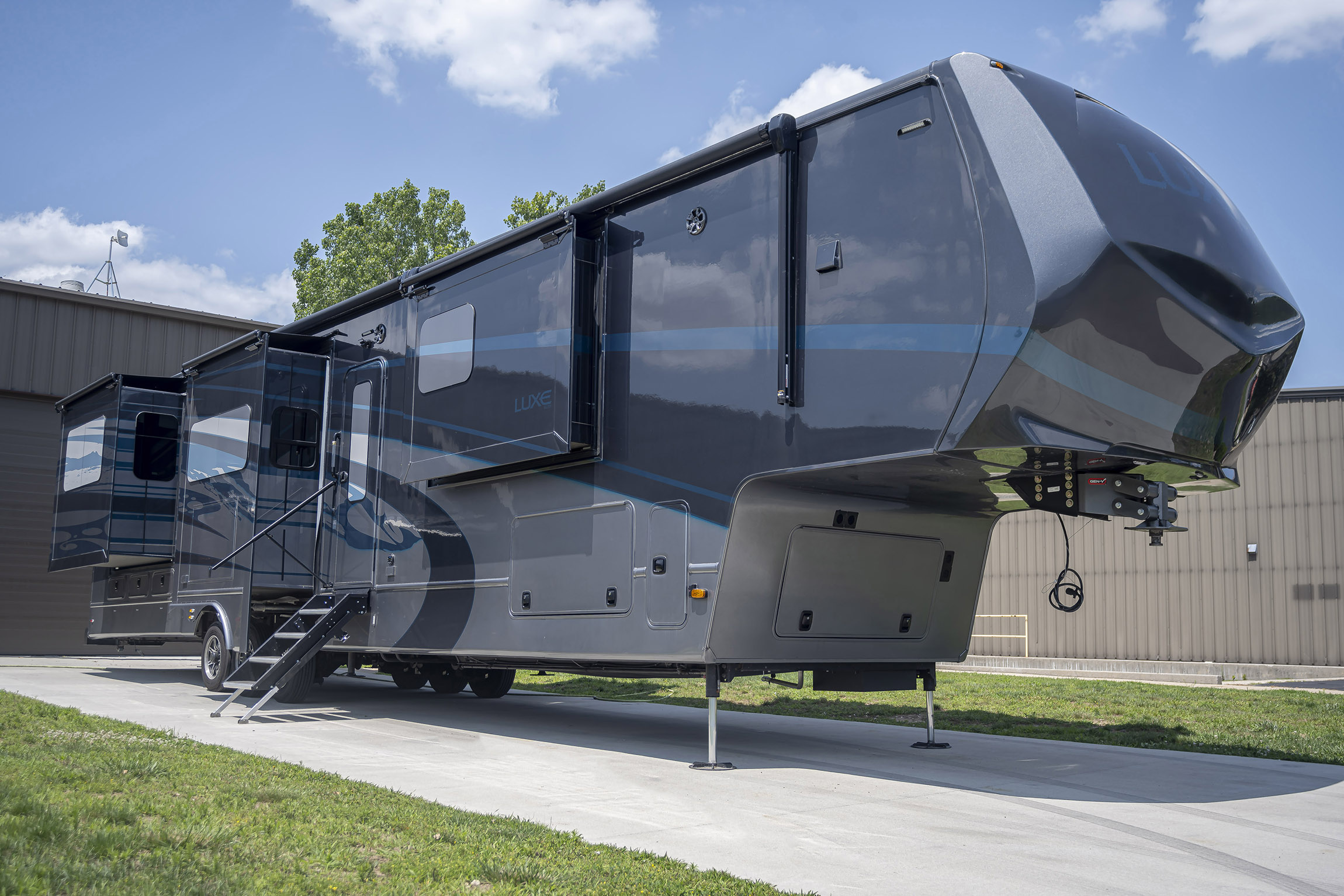
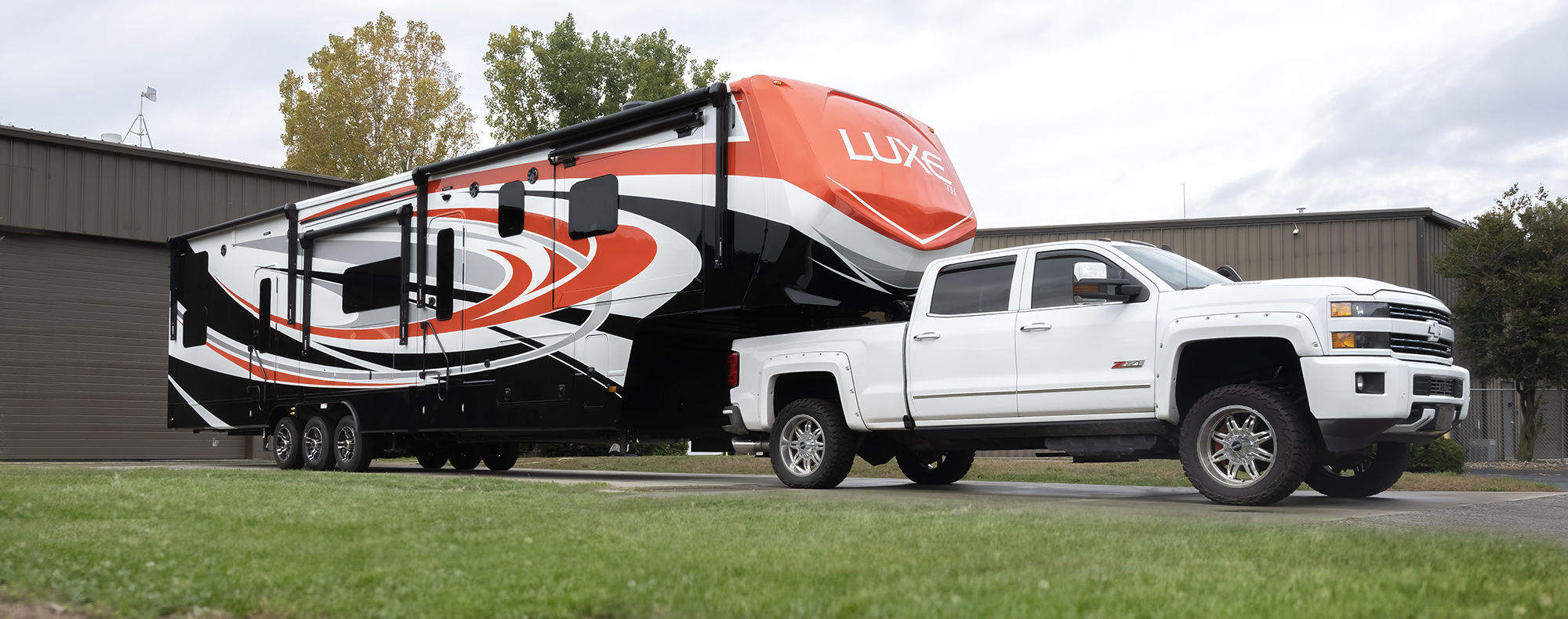
- Consider Factory Pickup: Some manufacturers allow “factory direct” pickups. By taking delivery yourself, you can ensure the unit is cleaned immediately or even avoid salt exposure entirely when you pick it up. Luxe Fifth Wheels in Elkhart Indiana actually promotes factory pickup. Featuring a detailed walk around inspection of all components including the frame. This is done with a manufacturing specialist who can address all customers questions and concerns.
Long-Term Maintenance: Don’t Set It and Forget It
Even if your RV starts clean, maintenance is ongoing. If you live in or travel to coastal areas, remember that salt is present in the air and will settle on your frame regardless of the road conditions.
Pro-Tip: Make “rinsing the frame” a part of your post-trip ritual. Periodically washing away contaminants is the simplest and most effective way to prevent future rust and preserve the structural integrity of your trailer.
RV Underbody & Frame Rust Inspection Checklist
When inspecting a new or used RV, bring a high-powered flashlight and a pair of gloves. You aren’t just looking for surface discoloration; you are looking for “scale” (flaking metal) and areas where salt or brine may have pooled.
1. High-Impact “Blast” Zones
These areas are directly in the line of fire for road spray kicked up by the tow vehicle’s tires.
- The “A-Frame” (Tongue): Check the welds where the hitch meets the main frame. Road salt often collects in the corners of the battery tray and propane tank mounts.
- Forward-Facing Crossmembers: Look at the front-most horizontal beams. The front-facing side of these beams usually takes the brunt of the “sandblasting” effect from road debris.
- Wheel Wells & Outriggers: Inspect the metal supports (outriggers) that extend from the frame to the outer walls, especially those directly behind the RV tires.
2. The “Salt Traps” (Joints and Crevices)
Saltwater is thin and travels deep into tight spaces through capillary action.
- Suspension Hangers: Check the U-bolts and the leaf spring hangers. These are critical structural points and are often the first to show heavy rust.
- Slide-Out Mechanisms: If the RV has slides, inspect the “teeth” of the rack-and-pinion gear. Salt here can cause the motors to bind or the metal to pit.
- Gas Line Brackets: Most RVs have propane lines running along the frame. Check the metal clips holding these lines; they often trap moisture against the frame.
3. Exposed Components & Fasteners
- Stabilizer Jacks: These are often made of thinner steel than the frame. Check the lead screw (the threaded rod) for rust that could prevent them from extending.
- Exposed Wiring Harnesses: Look for salt crusting on electrical connections or where wires pass through the frame.
- Brake Assemblies: If possible, look behind the wheel at the brake backing plate. Heavy salt exposure here can seize up your drum brakes.
4. Paint & Coating Integrity
- The “Pick Test”: If you see a bubble in the paint, gently press it. If it feels crunchy or flakes off to reveal orange dust, the rust is active underneath the coating.
- Weld Points: Factory welds are notorious for having thin paint. Inspect every weld bead for “spiderweb” rust lines.
What to do if you find rust:
- Surface Rust (Orange staining): Can usually be neutralized with a “Salt-Away” rinse and a coat of high-quality rust-inhibiting spray paint (like Rust-Oleum).
- Scaling (Flaking metal): This requires wire-brushing down to bare metal, applying a chemical rust converter, and then a heavy-duty undercoating.
- Structural Pitting: If the rust has eaten “pits” or holes into the steel, consider it a dealbreaker for a new unit.